
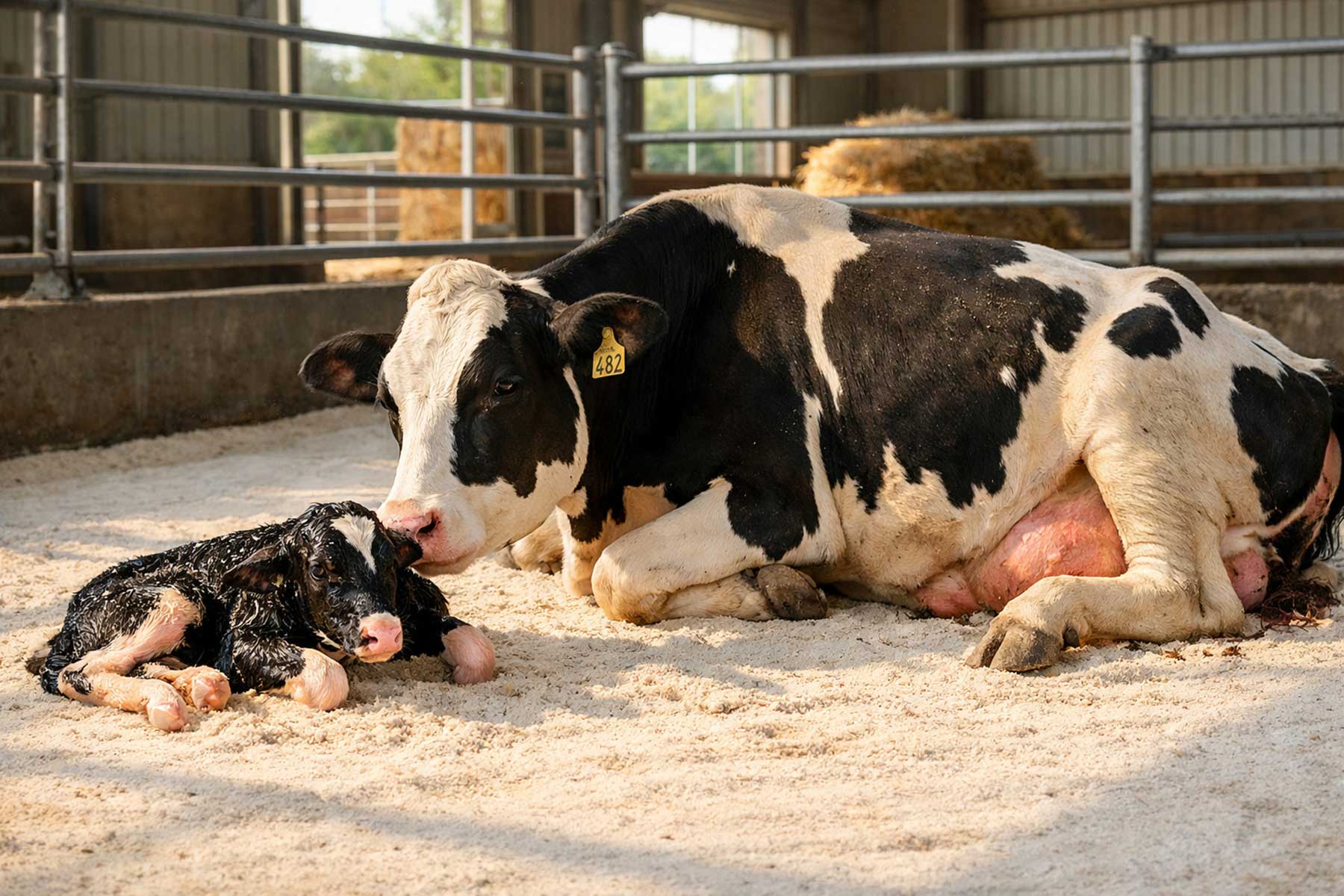
Maintaining an impeccable environment for livestock is a central challenge for any successful, humane farming operation. The moments immediately following birth are especially critical, as newborns like calves and piglets are highly susceptible to cold, dampness, and bacterial infections. While farmers have traditionally relied on organic materials like straw or wood shavings, natural mineral alternatives are gaining traction among those looking to improve farm hygiene and animal welfare.
One such option that aligns well with the sustainable, high-welfare practices valued by the Heritage Food & Veg community is bedding-grade sepiolite. Rather than just covering up dampness, this natural, light-cream mineral acts actively upon application, absorbing moisture and trapping gases. For farms struggling with humidity or ammonia management, incorporating a highly absorbent mineral into the bedding strategy can be a highly effective solution.
What is Bedding-Grade Sepiolite?
The Simple Explanation:
Think of sepiolite as a microscopic, ultra-absorbent sponge made from natural earth. When applied over the floor of a barn or birthing pen, it quickly absorbs excess water, urine, and odors. This helps keep the ground dry and safe for the animals to lie on, contributing to disease prevention and keeping the barn air fresh.
The Detailed Explanation:
From a geological perspective, sepiolite (often designated as E-562 for animal feed compliance) is a naturally occurring hydrated magnesium silicate clay. Its unique crystalline structure features internal channels and a vast specific surface area. This structure grants the mineral an extraordinarily high absorption capacity for both liquids and gases. It actively traps water molecules and volatile organic compounds—such as ammonia—within its porous matrix through physical adsorption, which helps to fundamentally alter and improve the microclimate of the animal enclosure.
Core Benefits for Livestock Welfare
Integrating this mineral into animal enclosures offers several potential health and operational benefits when compared to or used alongside traditional bedding:
- Rapid Humidity Control: The mineral’s immense water absorption capacity can instantly dry out a bedding area. This is particularly valuable for newborn animals, as drying their skin quickly helps them maintain a stable body temperature and prevents hypothermia.
- Microorganism Suppression: Bacteria and fungi require a moist environment to multiply. By aggressively stripping moisture from the floor, sepiolite helps to naturally inhibit the proliferation of harmful pathogens without requiring harsh chemical disinfectants.
- Ammonia and Odor Eradication: Ammonia buildup from animal waste can cause severe respiratory stress and damage lung tissue in livestock. Sepiolite is capable of trapping these noxious gases upon contact, which can significantly improve the air quality for both the herd and farm workers.
- Skin and Hoof Safety: The precisely milled texture of bedding-grade mineral is completely non-abrasive. It is gentle enough not to irritate the delicate skin of newborn calves or piglets, and it does not cause micro-abrasions on hooves, which helps reduce the risk of claw diseases.
How Mineral Bedding is Applied
Proper application is essential to get the most out of mineral bedding options. It can be used as a standalone base or layered in conjunction with existing organic bedding.
- Maternity Pens: Just before and immediately after birth, the floor can be paved with a generous layer of the mineral. This gives the newborn a sanitized, highly absorbent surface that begins drying its coat right away.
- High-Moisture Zones: It is commonly distributed over known damp areas, such as around water troughs, feeding stations, and standard resting spots to manage targeted moisture issues.
- Routine Maintenance: Many farms integrate sepiolite into their regular cleaning routine. Even a light, routine application can refresh the environment, neutralize rising ammonia, and help extend the lifespan of the underlying organic bedding.
Comparing Bedding Options
When evaluating bedding strategies, it helps to look at how different materials handle common barn challenges:
| Feature | Traditional Organic Bedding (Straw/Wood) | Sepiolite Mineral Bedding |
|---|---|---|
| Moisture Absorption | Low to moderate; often remains damp if not changed frequently. | Exceptionally high; actively dries the surface upon contact. |
| Ammonia Control | Poor; allows gases to evaporate directly into the air. | Excellent; physically traps and neutralizes ammonia gas. |
| Bacterial Growth | Higher risk; retained moisture can promote bacterial colonies. | Lower risk; the dry environment naturally inhibits pathogen survival. |
| Suitability for Newborns | Can sometimes be harsh or overly damp for wet newborns. | Highly suitable; the gentle mineral actively helps dry and warm the animal. |
| Post-Use Value | Standard agricultural compost material. | Excellent nutrient-rich, mineralized addition to agricultural fertilizer. |
Summary
For modern agriculture focused on animal welfare, relying solely on standard bedding may not always be sufficient to protect vulnerable livestock from moisture and disease. Sepiolite provides a natural, highly effective option for controlling barn humidity and ammonia. By offering a dry, sanitary resting area—especially in maternity pens—this absorbent mineral can help farmers maintain a cleaner, healthier, and more comfortable environment for their herds.